



The John J. Brunetti Human Trafficking Academy has inspired J.D. and LL.M. students at the College of Law to dive deeper through research and writing into the legal and policy issues that surround human trafficking. The Academy not only disseminates knowledge through training programs but also builds a sustained culture of empowerment and action to bring real change. Year after year, its impact extends beyond the classroom, inspiring students to return to their communities and institutions better equipped to identify, prevent, and respond to human trafficking in all forms that it displays itself. The Brunetti Academy integrates graduate students and graduate fellows from the J.D., LL.M. in Intercultural Human Rights, and J.S.D. Programs as researchers, trainers, and advocates. Their work includes contributing to specialized sessions, publishing research, and expanding academic depth in community programs.
This semester numerous students have researched and written on the topic of human trafficking. One such example is Haitian lawyer and LL.M. student Gabner Saint Germain, who recently presented his research on “Vulnerability and Human Trafficking: The Restavek System in Haiti,” in the seminar on International Law in 21st Century, taught by Dr. Roza Pati. Before he went into details of Restavek and the legal and policy framework, Gabner immediately caught students’ attention by telling the story of two restaveks he recalled from his childhood: “In my aunt Lydia’s house in Haiti, the first person awake each morning was a girl named Foufoune, who was between eight and twelve years old. Before anyone else got up, she made breakfast for a family of seven. She then cooked, cleaned, and walked to the mache (Market) to buy everyday condiments, such as spices, and staples. She attended an evening public school, but my aunt had five children, and the household needed Foufoune until the last one went to bed. She dropped out before finishing primary school.
Louinort, who was about the same age or younger, maintained the yard, washed my aunt’s and her husband’s cars, cleaned up after the dog, and ran to the market whenever something was missing. He also guarded the property as its jeran lakou, or keeper of the yard. Like Foufoune, he left primary school early. Neither child was paid; their only compensation was a place to sleep: two small storage buildings at the back of the yard ( lakou)… People said children cost less.”
Then Gabner talked about his own awakening: “I grew up within this arrangement and did not see it as wrong. That changed two years ago at Professor Roza Pati’s Human Trafficking Academy at St. Thomas University College of Law, where the children I grew up beside had now received legal names.”
That internal change that Gabner experienced through the Academy urged him to now challenge his own country and his own culture.
“On January 1, 1804, Haiti became the first Black republic, founded by people who broke the chains of slavery themselves. Haitians are proud of this history. Why, then, do we keep our own boys and girls in a modern version of the same servitude?…
The UN Special Rapporteur, the European Parliament, and the U.S. State Department have all called out the exploitative core of Restavek as slavery. The task is to give that authority teeth: rules a police officer can enforce, a register that makes children visible, money tied to results, and a public that no longer accepts the arrangement as normal. Haitians are right to be proud of 1804. That pride carries an obligation. A nation founded by people who freed themselves and boasts of being a beacon of liberty and freedom cannot keep children like Foufoune and Louinort in servitude and still call that history its own,” concluded Gabner.

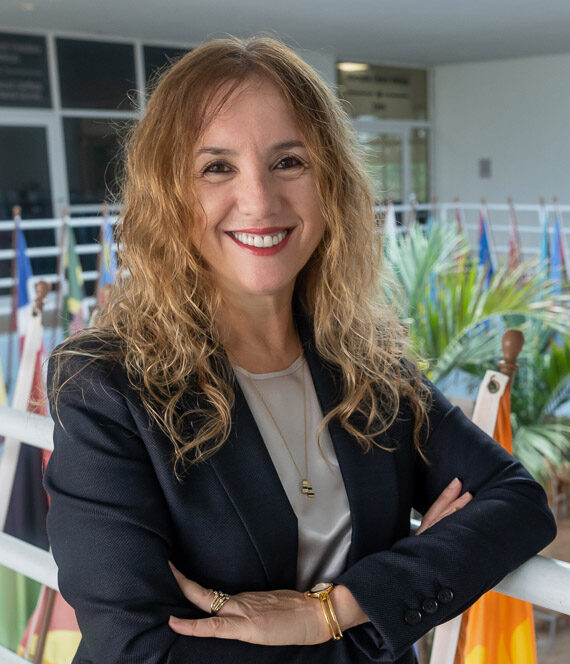 Prof. Dr. Roza Pati
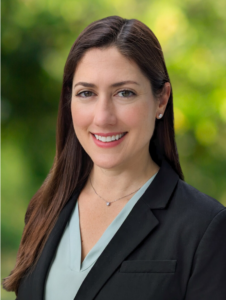
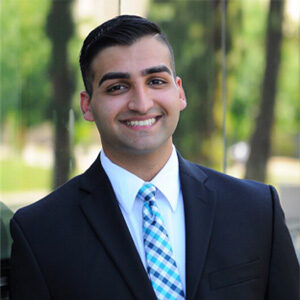
 Professor Brendan M. Conner
 Professor Linh K. Dai
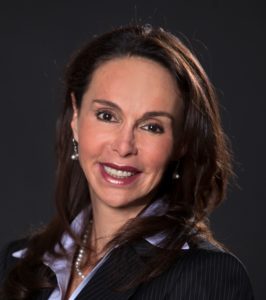

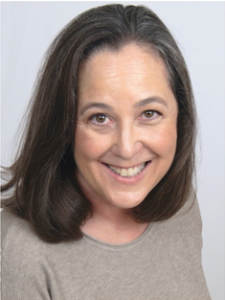

 The Honorable Bella Hounakey

 The Honorable Harold D’Souza
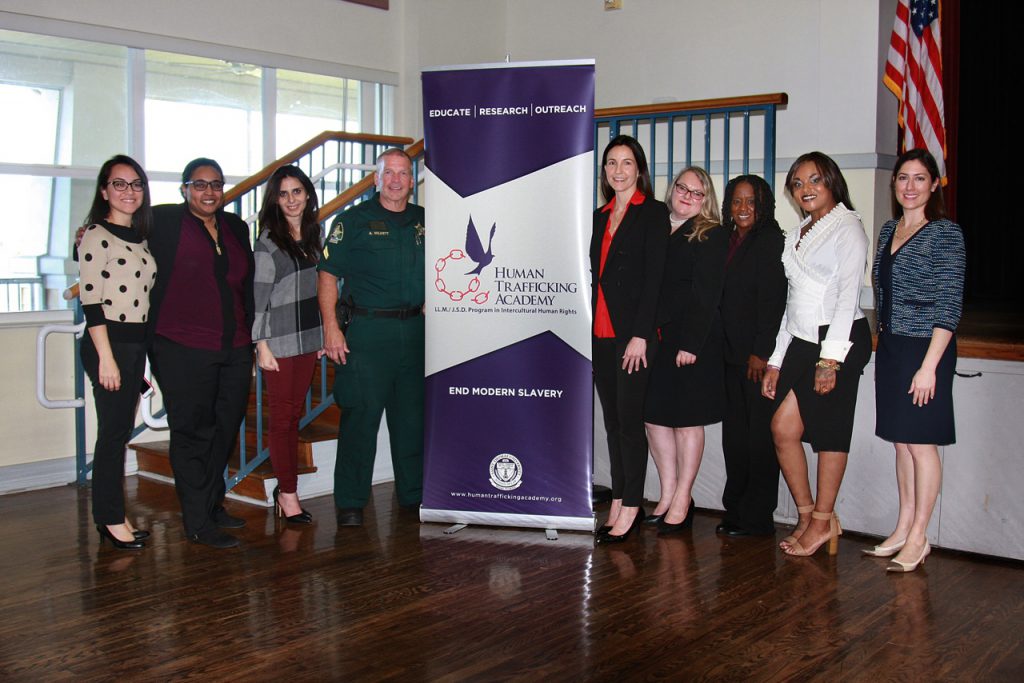
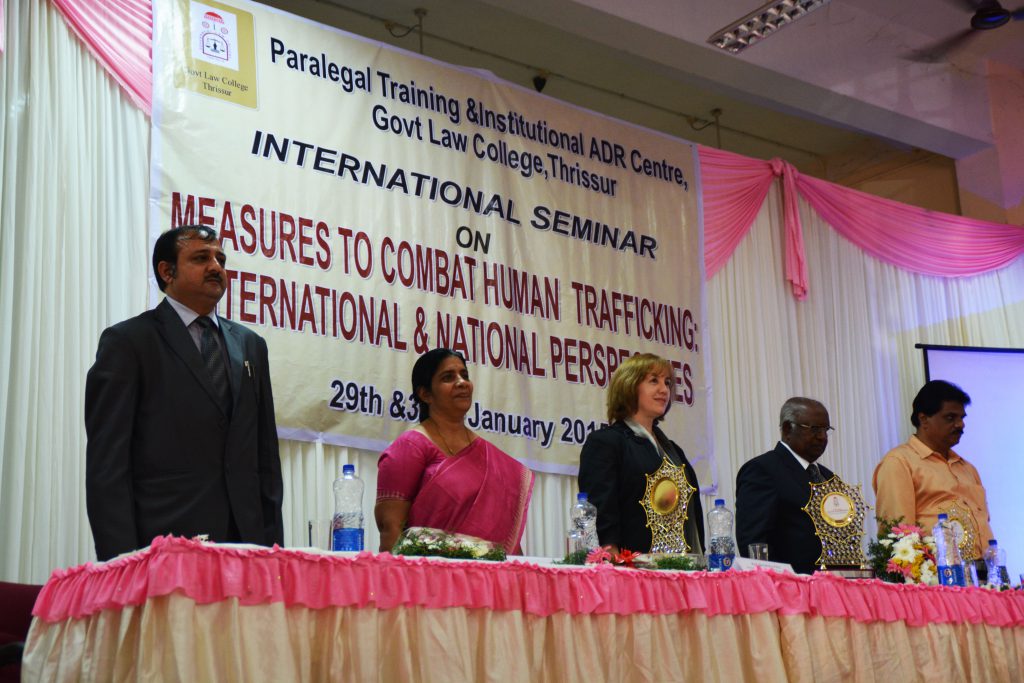
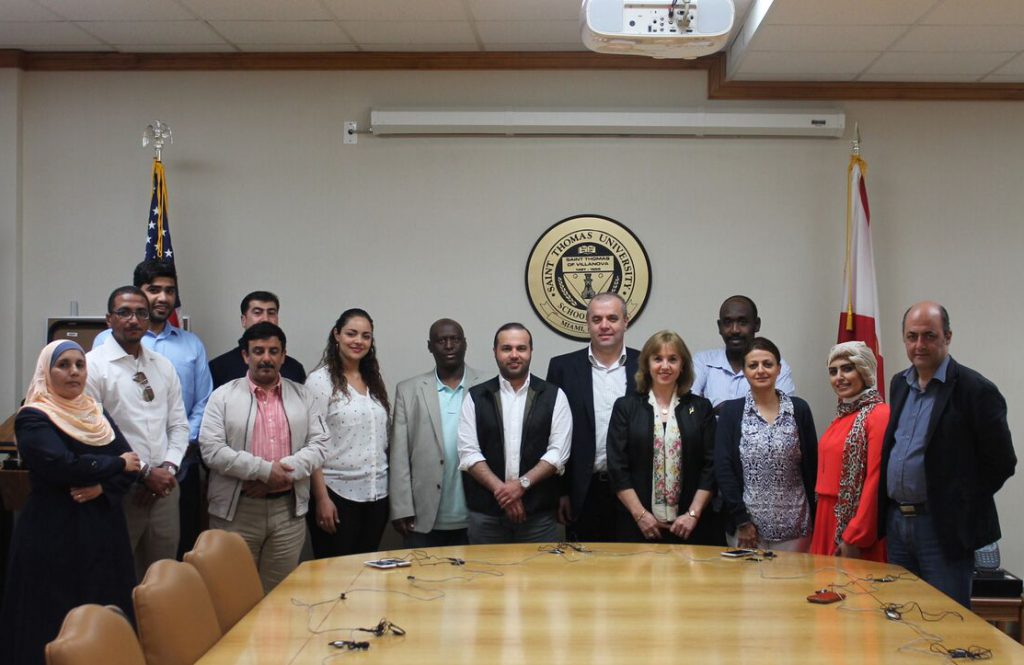



 Ramona D. Miller
 Detective Krysten Ridenour

 The Honorable Amira D. Fox
 Juliana Diaz, LMHC
 Crystal Lee Hamilton
 Erika Pineros, LMHC
 M. Kazam Hashimi

 Maryem Reyes

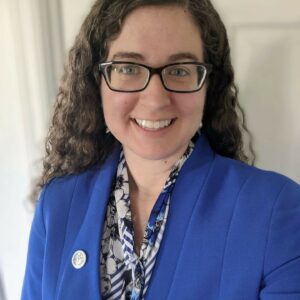 Jennifer Reyes Lay
 Sloane Davidson

 Ana I. Vallejo, Esq.
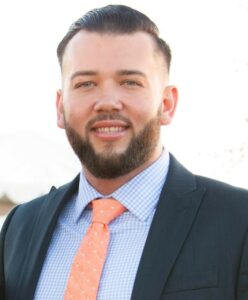 The Honorable Suamhirs Piraino-Guzman
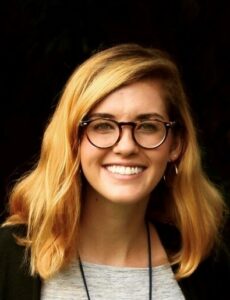 Caroline Chisholm
 Imelda Medina, MD, MPH




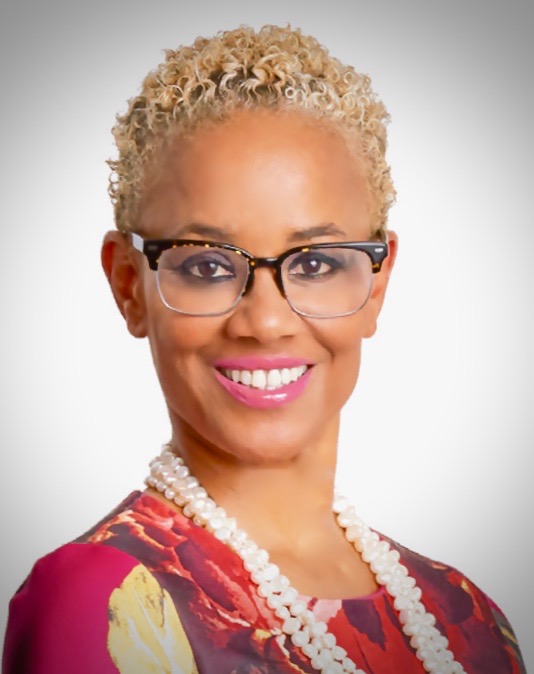
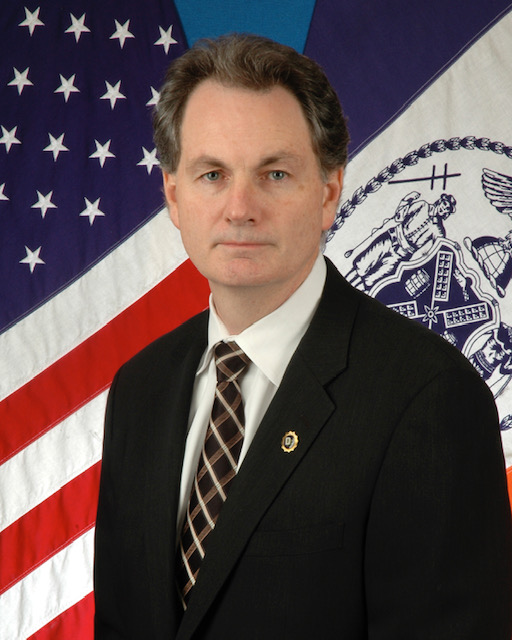
 Kutisha T. Ebron
 The Honorable Kwami Adoboe-Herrera
 Rebekah Charleston

 Maria Florencia Cornu Laport, Esq.
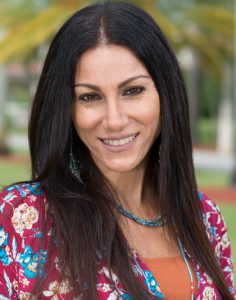




 Maria Vega





 Gabriela DeBellis
 Lerina Bright



 Ronke Giwa Onafuwa

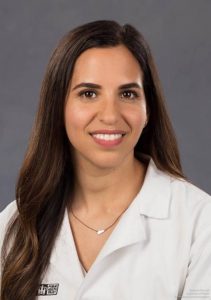


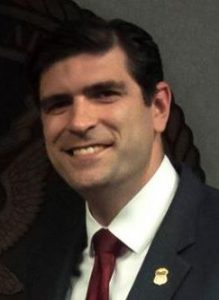

 Myriam Mézadieu
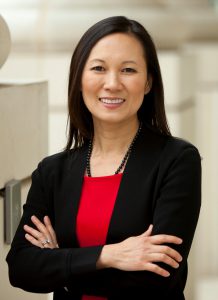 Thear Suzuki
 Mary Anne Silvestri
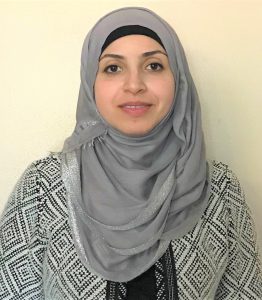

 Susan Patterson
 Jordan Bruxvoort