
Ambassador John Cotton Richmond, Chief Impact Officer of Atlas Free, founder of the Libertas Council, Senior Advisor at the Center for Strategic and International Studies Human Rights Institute, delivered a distinguished lecture on November 12, 2026, in front of students and faculty of St. Thomas University College of Law, titled, “When Technology Laps the Law: AI, Human Trafficking, & Common Sense,” exploring the intersections between human trafficking, artificial intelligence (AI), and the law.
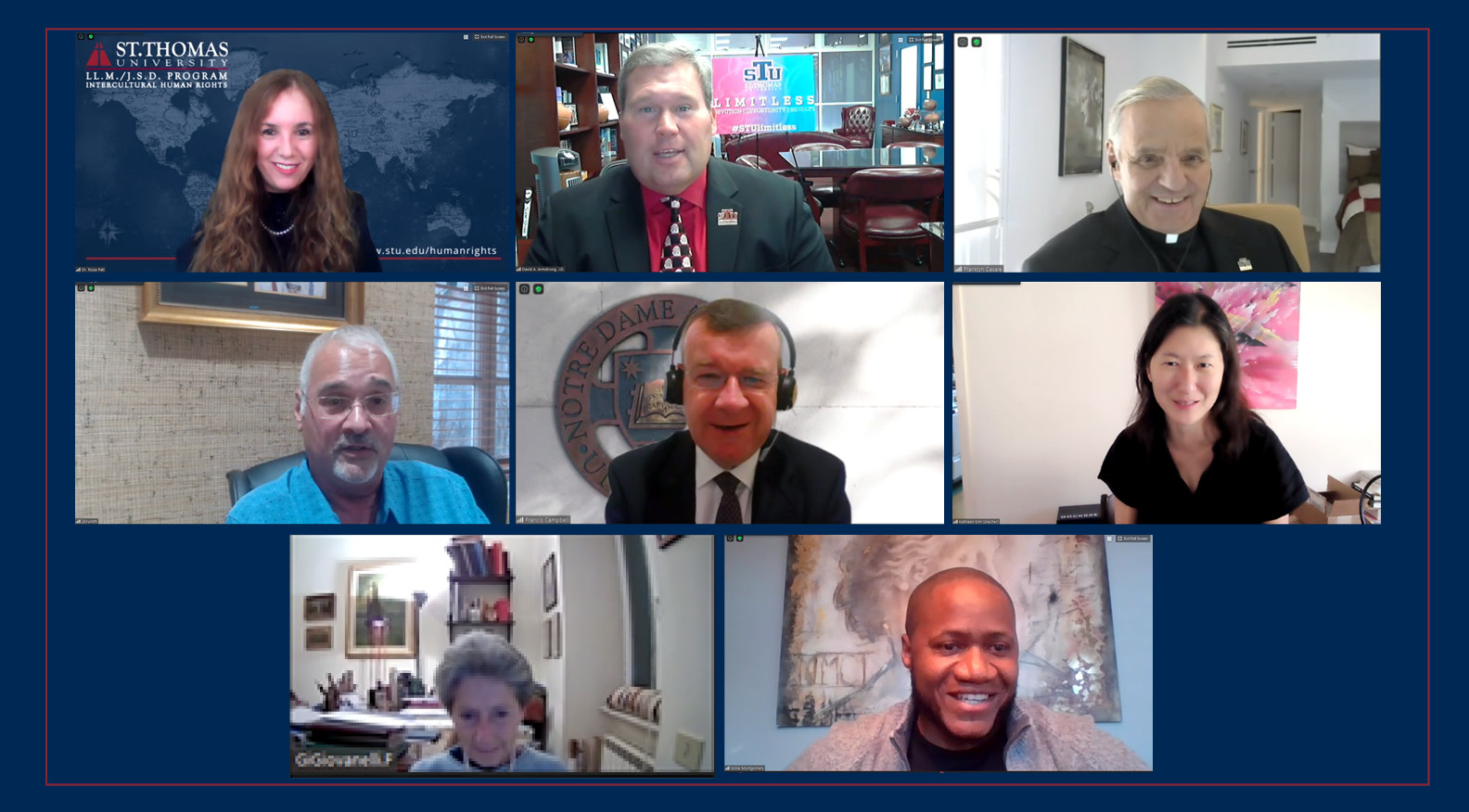
The lecture was part of a four-session novel course on AI and Human Rights, designed and taught by Prof. Dr. Roza Pati, Founder and Director of The John J. Brunetti Human Trafficking Academy.
Ambassador Richmond shared his extensive expertise on human trafficking law having served as federal prosecutors in the Department of Justice and as Ambassador holding the United States’ highest-ranking position dedicated to combating human trafficking. After examining the scope and economic impact of human trafficking, Ambassador Richmond focused on the legal challenges arising from advances in artificial intelligence. He focused on U.S. case law involving child sexual abuse material (CSAM) and the legal challenges posed by AI-generated content. In particular, he discussed United States v. Anderegg, No. 25-1354 (7th Cir. Aug. 25, 2026), a case highlighting the intersection of human trafficking and AI-generated CSAM. Steven Anderegg was charged with knowingly producing, distributing, and transferring to a minor under the age of sixteen AI-generated images depicting minors engaged in sexually explicit conduct, as well as knowingly possessing obscene virtual CSAM. However, the district court dismissed the possession count on First Amendment grounds, and the Seventh Circuit affirmed that dismissal, in light of established Supreme Court precedents, including Stanley v. Georgia, 394 U.S. 557 (1969), which protects an individual’s right to possess obscene material in the privacy of the home, and Ashcroft v. Free Speech Coalition, 535 U.S. 234 (2002), which struck down restrictions on certain depictions of virtual child pornography that do not involve actual children.
In United States v. Anderegg, No. 25-1354 (7th Cir. Aug. 25, 2026), the court acknowledged that lower courts cannot rewrite or disregard established Supreme Court precedent, even when technological advancements present unprecedented legal challenges. Judge Lee, joined by Judge Kolar, wrote a concurring opinion calling for additional guidance from the U.S. Supreme Court regarding the continued application of its First Amendment precedents concerning virtual CSAM in light of advances in generative AI. The concurrence highlighted that generative AI tools have advanced far beyond early-2000s technology and are now able to produce images that can be “virtually indistinguishable” from depictions of actual children being sexually abused. The concurrence underscores the need for Congress to consider updating existing legislation to address these technological developments. Thus, Ambassador Richmond emphasized the need to revisit and modernize existing legal frameworks to address the complexities of AI-generated CSAM and strengthen legal responses to cases involving human trafficking and emerging technologies.
This lecture comes at a time when two bills are currently before Congress, aimed at addressing the intersection of AI and human trafficking. The Countering Online Trafficking Act, H.R. 10925, 119th Cong. (2026), introduced on October 29, 2026, by Representative James Gallagher, seeks to assess the Department of State’s capacity to combat technology-facilitated human trafficking in order to address the misuse of AI and other emerging technologies, particularly in cases involving children. The DEFIANCE Act of 2025, S. 1837, 119th Cong. (2025), passed the Senate by unanimous consent on January 13, 2026, and was subsequently received in the House, where it awaits further consideration. This Act would establish a federal civil cause of action allowing victims of certain nonconsensual, sexually explicit deepfakes to seek legal remedies against individuals who knowingly create or distribute such images.
Currently, there are several operational federal and Florida statutes directly governing the intersection of AI and human trafficking. The most recent federal statute, The TAKE IT DOWN Act (Public Law 119-12), was enacted on May 19, 2025. In 2025, Florida enacted three key statutory measures targeting AI-generated sexual exploitation— Florida’s Altered Sexual Depictions Statute (Fla. Stat. § 836.13, 2025), Brooke’s Law (Fla. Stat. § 836.13(6), 2025), and Florida’s Generated Child Sexual Abuse Material Statute (Fla. Stat. § 827.072, 2024).
In closing, Ambassador Richmond stressed that efforts to combat trafficking must remain focused on holding traffickers accountable, reinforcing that traffickers are the root cause of human trafficking. He further reaffirmed the importance of the victim-centered approach outlined in the Palermo Protocol as the appropriate framework for addressing human trafficking and protecting human rights of victims.

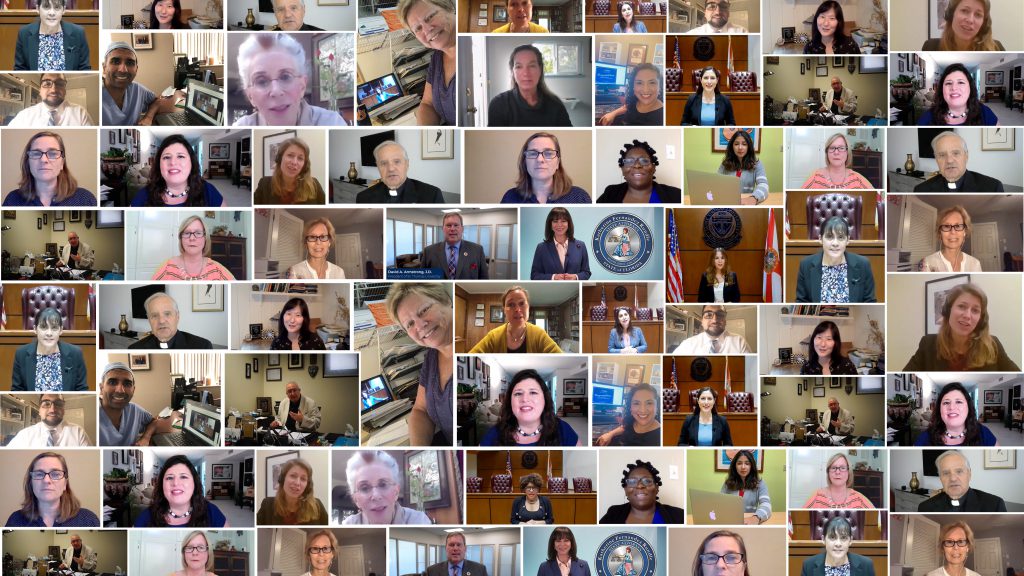
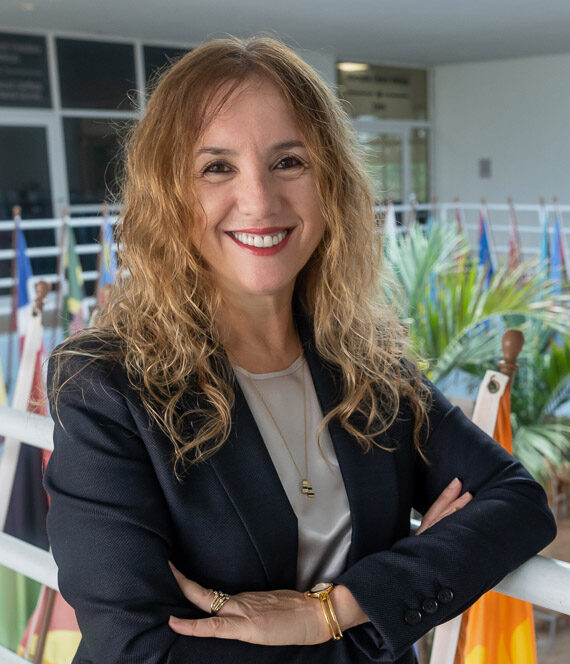 Prof. Dr. Roza Pati
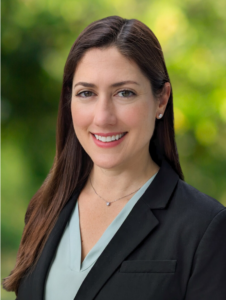

 Professor Brendan M. Conner
 Professor Linh K. Dai
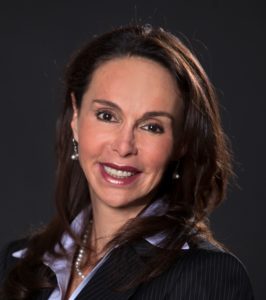
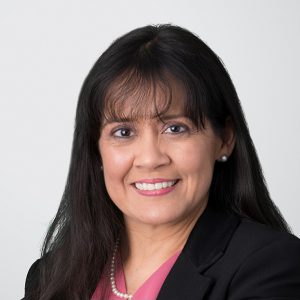


 The Honorable Bella Hounakey

 The Honorable Harold D’Souza

 Ramona D. Miller
 Detective Krysten Ridenour

 The Honorable Amira D. Fox
 Juliana Diaz, LMHC
 Crystal Lee Hamilton
 Erika Pineros, LMHC
 M. Kazam Hashimi

 Maryem Reyes
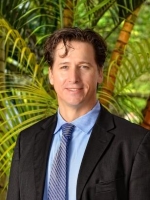
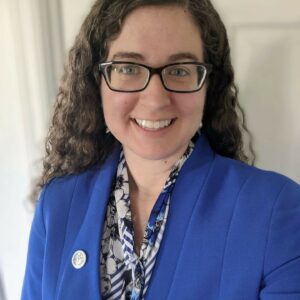 Jennifer Reyes Lay
 Sloane Davidson
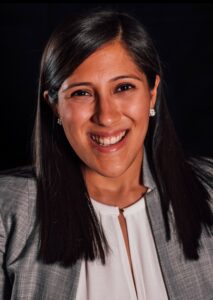
 Ana I. Vallejo, Esq.
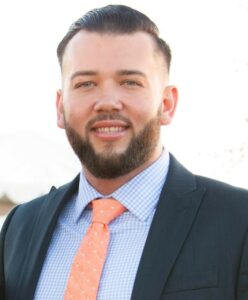 The Honorable Suamhirs Piraino-Guzman
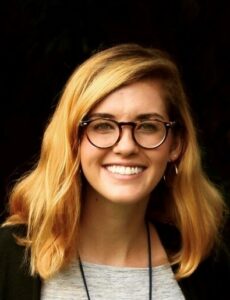 Caroline Chisholm
 Imelda Medina, MD, MPH




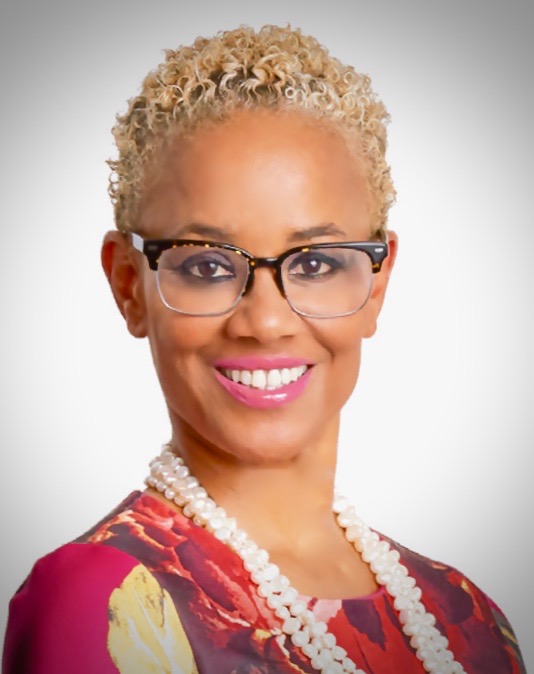
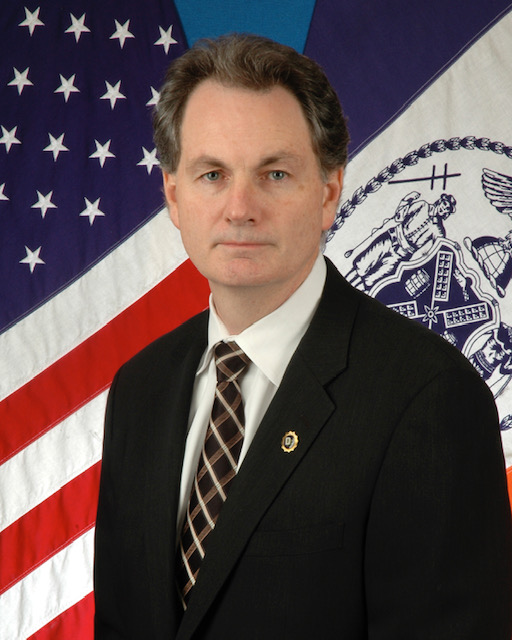
 Kutisha T. Ebron
 The Honorable Kwami Adoboe-Herrera
 Rebekah Charleston

 Maria Florencia Cornu Laport, Esq.




 Maria Vega





 Gabriela DeBellis
 Lerina Bright


 Ronke Giwa Onafuwa





 Myriam Mézadieu
 Thear Suzuki
 Mary Anne Silvestri

 Susan Patterson
 Jordan Bruxvoort