

On April 15, 2026, as part of its commitment to extending its mission across the broader University community, The John J. Brunetti Human Trafficking Academy at St. Thomas University College of Law hosted Step Into Their Shoes, an interactive awareness experience held at the Mimi Dooner Breezeway at the Biscayne College for Liberal Arts and Social Sciences. Over sixty visitors stopped at the installation, including the Honorable Tarlika Nunez Navarro, Dean of the College of Law, whose participation and reflection honored the event, which was spearheaded by the Graduate Fellows of the Academy.
Dr. Roza Pati, Director of The John J. Brunetti Human Trafficking Academy, thanked Administrative Assistant Doris Tobón for organizing an impeccable event; Graduate Fellow Alicia Lee for initiating this project; and Emine Tugce Kabaoglu, and Feliks Myrzabaev, LL.M. Intercultural Human Rights Candidates 2026. The whole team excelled in advancing the mission of the Academy as the flagship institution of STU’s commitment to education, awareness, and prevention of human trafficking, while fostering dialogue within the STU University community as steadfast missionaries for human dignity for all and in all spaces.
Designed to prompt identification and internalization of one of the most conspicuous dimensions of human trafficking — vulnerability–, the event encouraged students, faculty, and staff to consider everyday circumstances that may make people susceptible to exploitation. Through a guided pathway, pairs of shoes were displayed alongside floor-mounted posters, each presenting a distinct real-life condition and encouraging participants to pause, observe, and consider how common, often unnoticed circumstances can place individuals at risk. These were conveyed through brief first-person statements reflecting real-life experiences:
- Too good to refuse: “Someone offered me a job that sounds too good to refuse.”
- Urgent money: “I need money fast and I can’t afford to say no.”
- New here: “I’ve just arrived in this country and I don’t know anyone.”
- On my own: “I ran away from home and have no one to turn to.”
- No safe place: “I have nowhere safe to sleep tonight.”
- In foster care: “I move from place to place and don’t have stable support.”
- No home: “I don’t have a home and depend on others every day.”
- Documents held: “My employer keeps my ID/passport for ‘safe keeping.’”
- Dependent status: “My situation depends on someone else’s approval.”
All situations generated strong commitment among attendees, leading to thoughtful comments. While many participants expressed that it was difficult to determine which circumstance could create the greatest vulnerability, a pattern became evident in their responses: lack of most basic financial resources and a safe place to stay were most frequently identified as the conditions that place individuals at the highest risk. These reflections naturally led to the central message of the event: human trafficking often begins with vulnerability, and recognizing the conditions that create it is the first step to preventing exploitation.
The Academy thanks all students, faculty and administrators from all over the university whose presence underscored the institution’s commitment to preventing and combatting human trafficking.

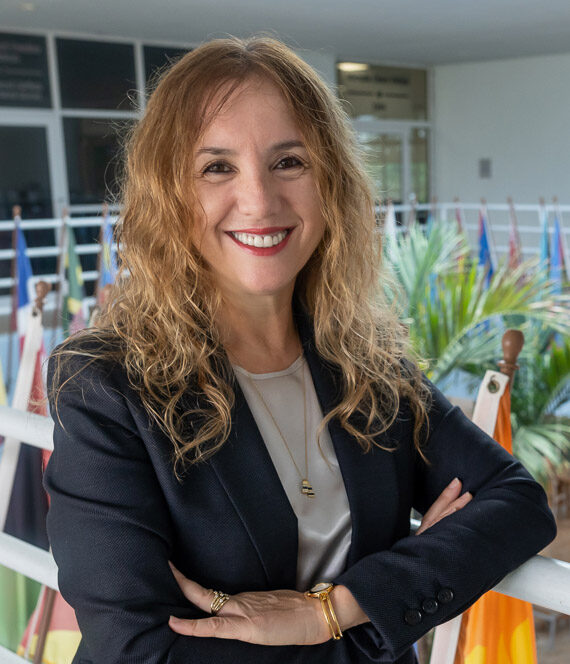 Prof. Dr. Roza Pati

 Professor Brendan M. Conner
  Professor Linh K. Dai



 The Honorable Bella Hounakey
 The Honorable Harold D’Souza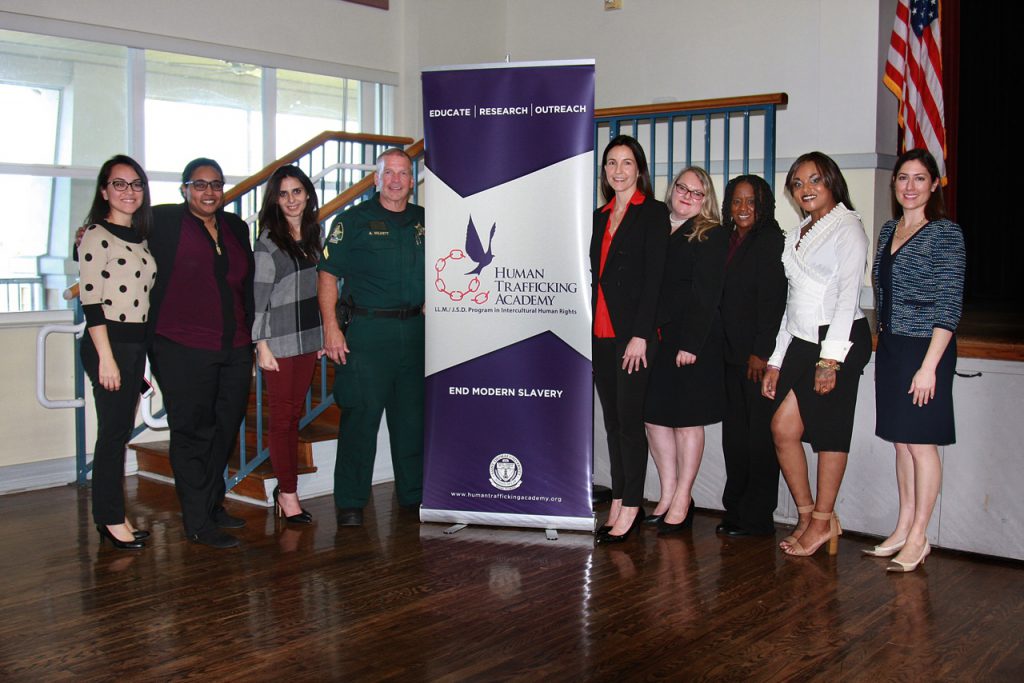
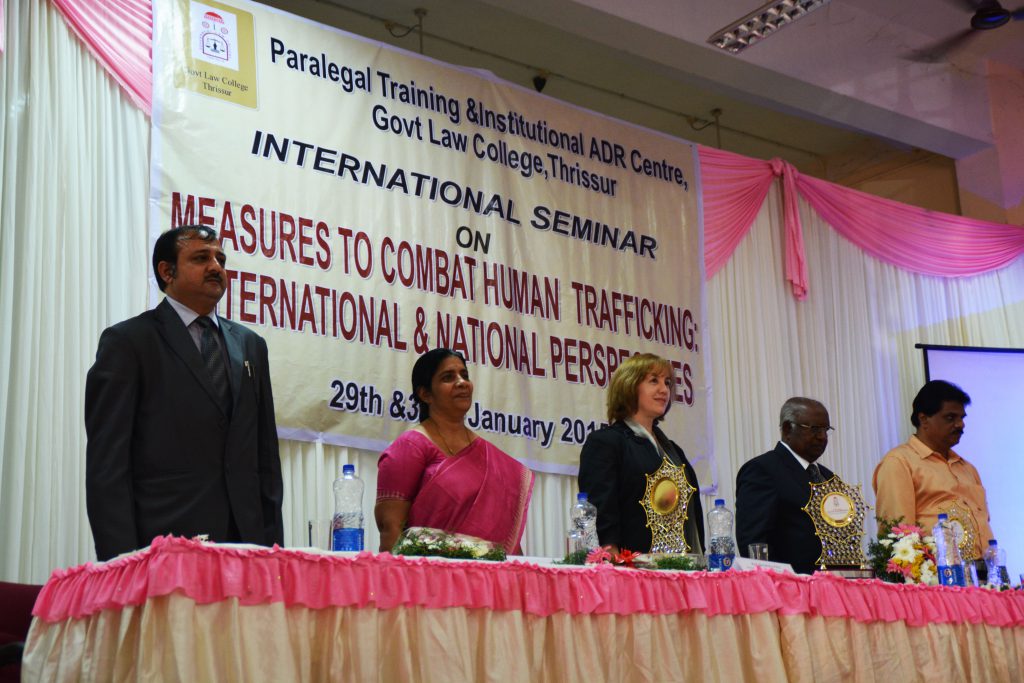


 Ramona D. Miller
 Detective Krysten Ridenour
 The Honorable Amira D. Fox
 Juliana Diaz, LMHC
 Crystal Lee Hamilton
 Erika Pineros, LMHC
 M. Kazam Hashimi
 Maryem Reyes
 Jennifer Reyes Lay
 Sloane Davidson
 Ana I. Vallejo, Esq.
 The Honorable Suamhirs Piraino-Guzman
 Caroline Chisholm
 Imelda Medina, MD, MPH





 Kutisha T. Ebron
 The Honorable Kwami Adoboe-Herrera
 Rebekah Charleston
 Maria Florencia Cornu Laport, Esq.




 Maria Vega




 Gabriela DeBellis
 Lerina Bright


 Ronke Giwa Onafuwa





 Myriam Mézadieu
 Thear Suzuki
 Mary Anne Silvestri

 Susan Patterson
 Jordan Bruxvoort