


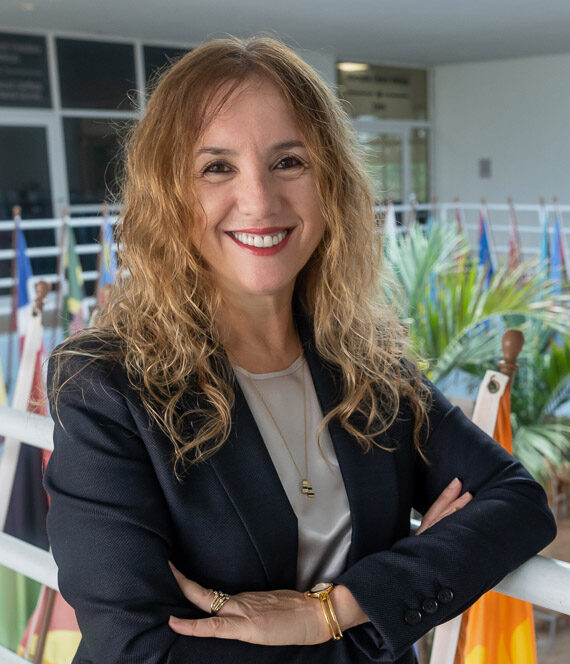
 Prof. Dr. Roza Pati
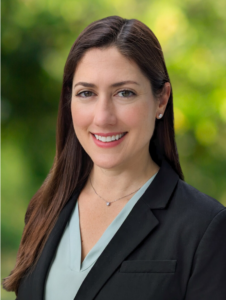

 Professor Brendan M. Conner
 Professor Linh K. Dai
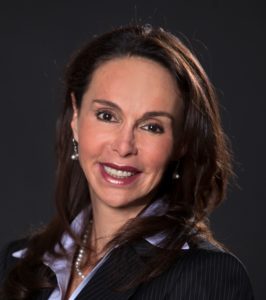
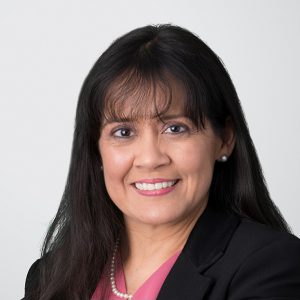


 The Honorable Bella Hounakey

 The Honorable Harold D’Souza
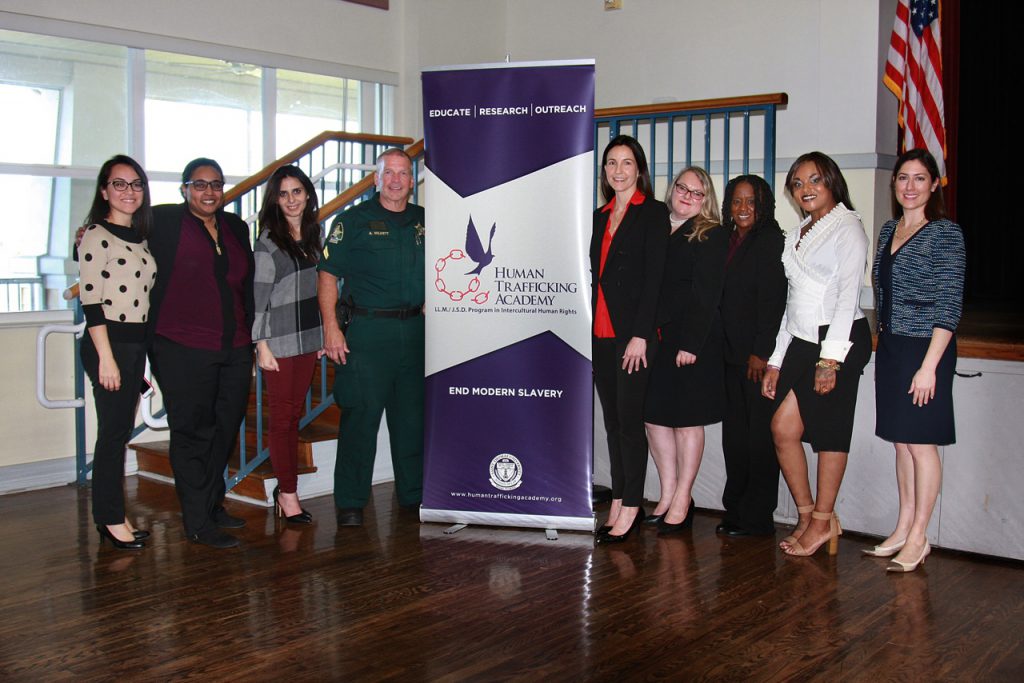

 Ramona D. Miller
 Detective Krysten Ridenour

 The Honorable Amira D. Fox
 Juliana Diaz, LMHC
 Crystal Lee Hamilton
 Erika Pineros, LMHC
 M. Kazam Hashimi

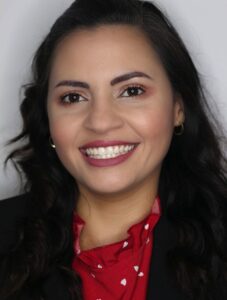 Maryem Reyes
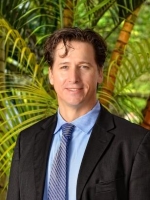
Professor Michael Vastine joined the faculty of St. Thomas University College of Law in 2004, where he is a tenured professor of law and Director of the Immigration Clinic. A frequent conference speaker and author, he is also a leader of the immigration bar, with extensive service within the American Immigration Lawyers Association (AILA). From 2011-20, he was elected to serve on the AILA South Florida Chapter Board of Directors, including a term as Chair of the Chapter. Professor Vastine’s AILA national-level service includes multiple terms on the Federal Litigation Section Steering Committee, Annual Conference Planning Committee, and Amicus Curiae Committee. His impact litigation principally relates to immigration and crimes, including the lead case at the Florida Supreme Court establishing the constitutional rights of immigrant defendants to effective representation by their criminal counsel, and multiple cases at the U.S. Court of Appeals for the Eleventh Circuit delineating the immigration consequences of Florida convictions involving controlled substances. Additionally, he has represented AILA and other community-based organizations, as amicus curiae counsel, in forums ranging from the Board of Immigration Appeals to the U.S. Supreme Court, in matters including the constitutional limits of indefinite detention of immigrants, the due process rights of the physically deported, and the immigration consequences of state crimes. In 2013, Professor Vastine received the AILA (National) Elmer Fried Award for Excellence in Teaching.
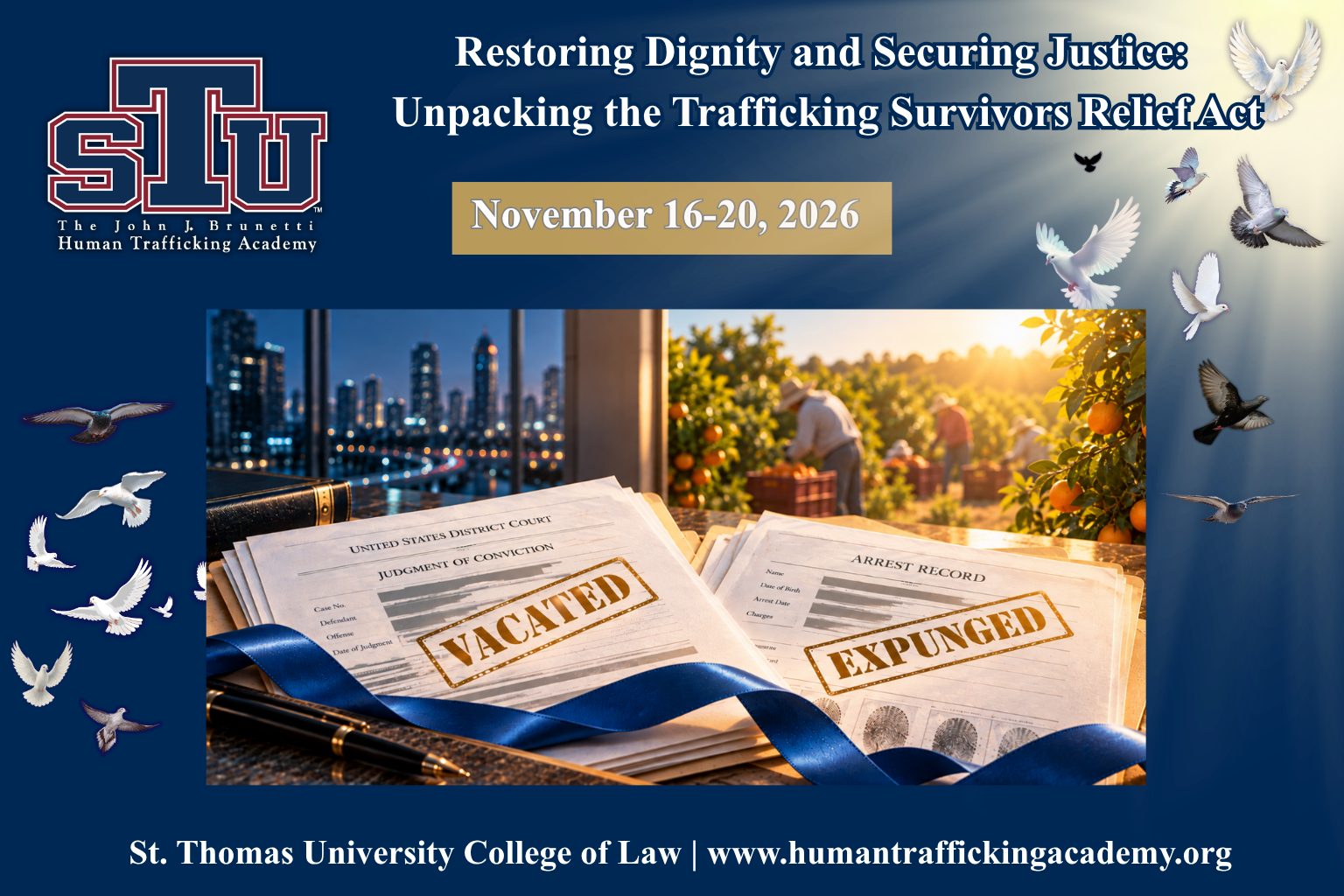
The National Survivor Study conducted by Polaris found that 62% of surveyed human trafficking survivors reported being arrested, cited, or detained, with 80% of those arrests occurring while they were actively being trafficking. Research published by the Bureau of Justice Statistics and advocacy groups indicates that roughly 91% of trafficking victims accumulate criminal records stemming directly from their victimization.
Human traffickers routinely compel their trafficking victims to engage in criminal activity, including prostitution, drug distribution, identity theft, credit card fraud, shoplifting, and cybercrime, allowing exploiters to profit while leaving victims to face the legal consequences of actions committed under coercion. Highlighting this systemic failure, a peer-reviewed study published in Victims & Offenders examined 399 female defendants involved in federal sex trafficking cases and found that while 54% exhibited clear indicators victimization, 79% still served time in prison.
These findings underscore the critical importance of recognizing trafficking indicators at the earliest point of contact. Victimization is not always immediately apparent, making it difficult for law enforcement and justice system professionals to distinguish between voluntary criminal activity and actions committed under coercion or duress. This challenge is compounded by the fact that survivors are frequently unable or unwilling to identify themselves due to trauma, coercion, fear of retaliation, trauma bonding, or a deep-seated distrust of authority. Specialized training in victim identification is therefore essential to help law enforcement, healthcare professionals, and individuals working within the justice system recognize the signs of trafficking from the first point of contact.
When victimization goes unrecognized, survivors enter a cycle of criminalization that persists long after the trafficking has ended. Arrests, convictions, incarceration, and criminal records create enduring barriers to rebuilding a life after exploitation as it becomes devastatingly difficult for survivors to secure employment, find stable housing, pursue education, access public benefits, or fully reintegrate into their communities.
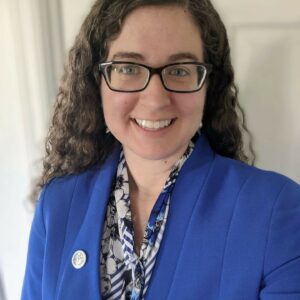 Jennifer Reyes Lay
 Sloane Davidson
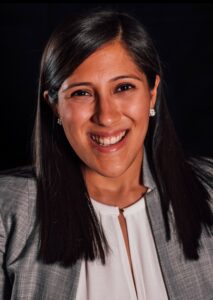
 Ana I. Vallejo, Esq.
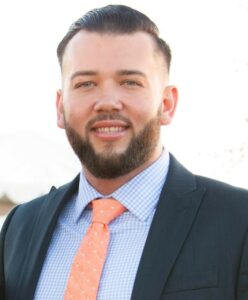 The Honorable Suamhirs Piraino-Guzman
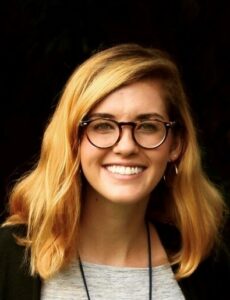 Caroline Chisholm
 Imelda Medina, MD, MPH




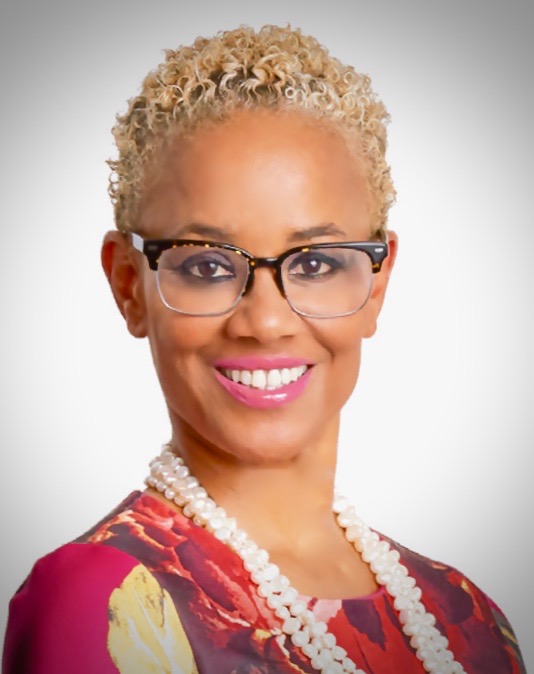
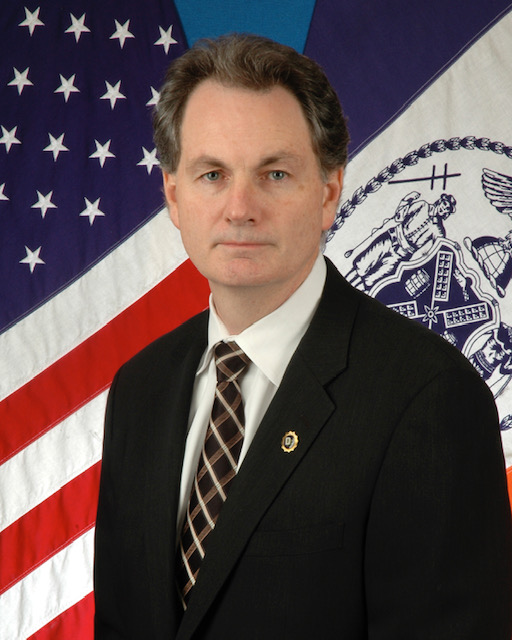
 Kutisha T. Ebron
 The Honorable Kwami Adoboe-Herrera
 Rebekah Charleston

 Maria Florencia Cornu Laport, Esq.




 Maria Vega
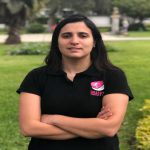




 Gabriela DeBellis
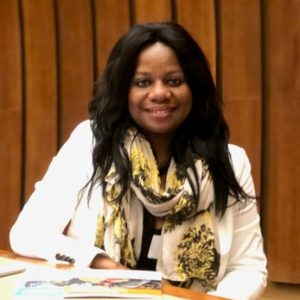 Lerina Bright


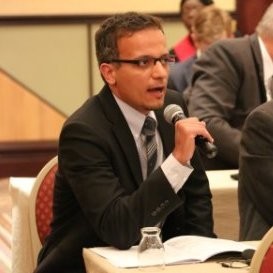

 Ronke Giwa Onafuwa


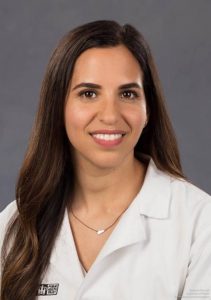


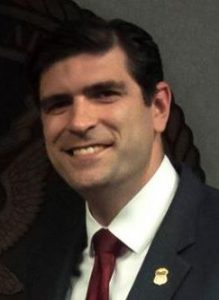

 Myriam Mézadieu
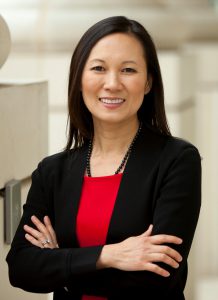 Thear Suzuki
 Mary Anne Silvestri
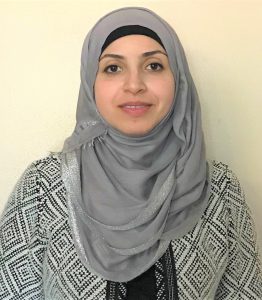

 Susan Patterson
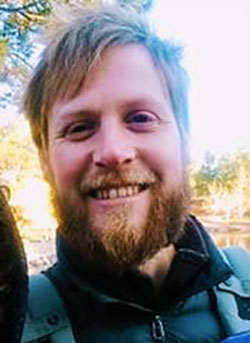 Jordan Bruxvoort